“2026 Basel Social Club: Office”,ZIAN Gallery ,Basel,2026
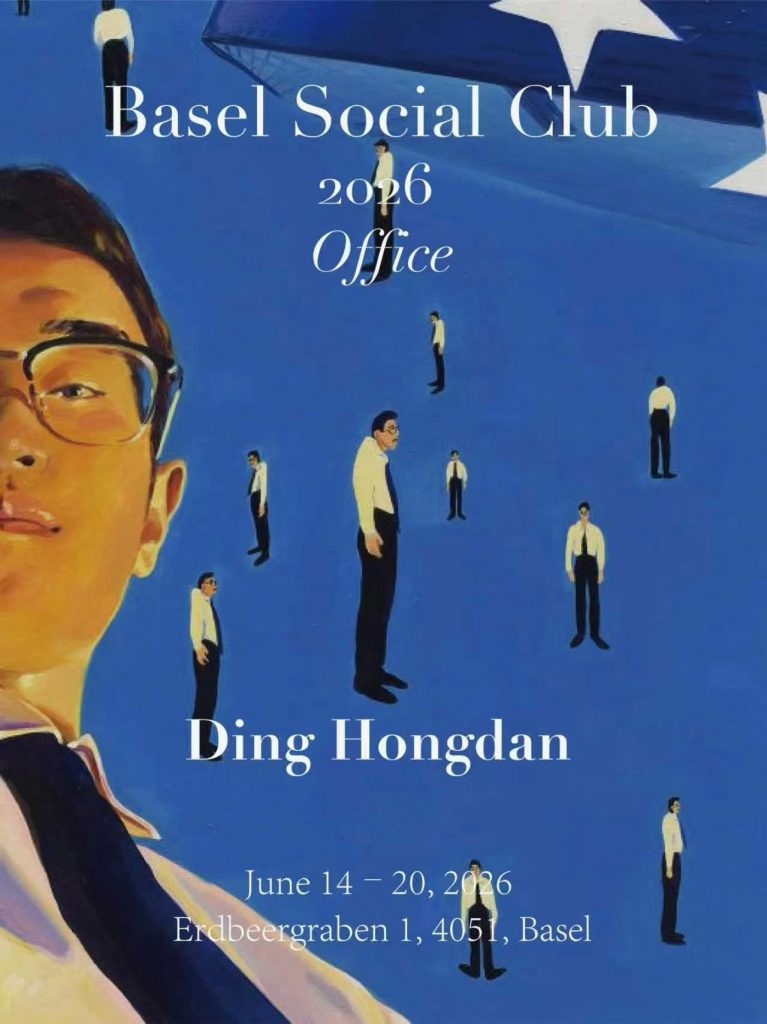
20 May – 15 August, 2026
ZIAN Gallery x Lisson Gallery x Simple One
B1, Block C, Jing Yuan, Pacific Century Place, No.2 Workers’Stadium North Road,Chaoyang District, Beijing, China
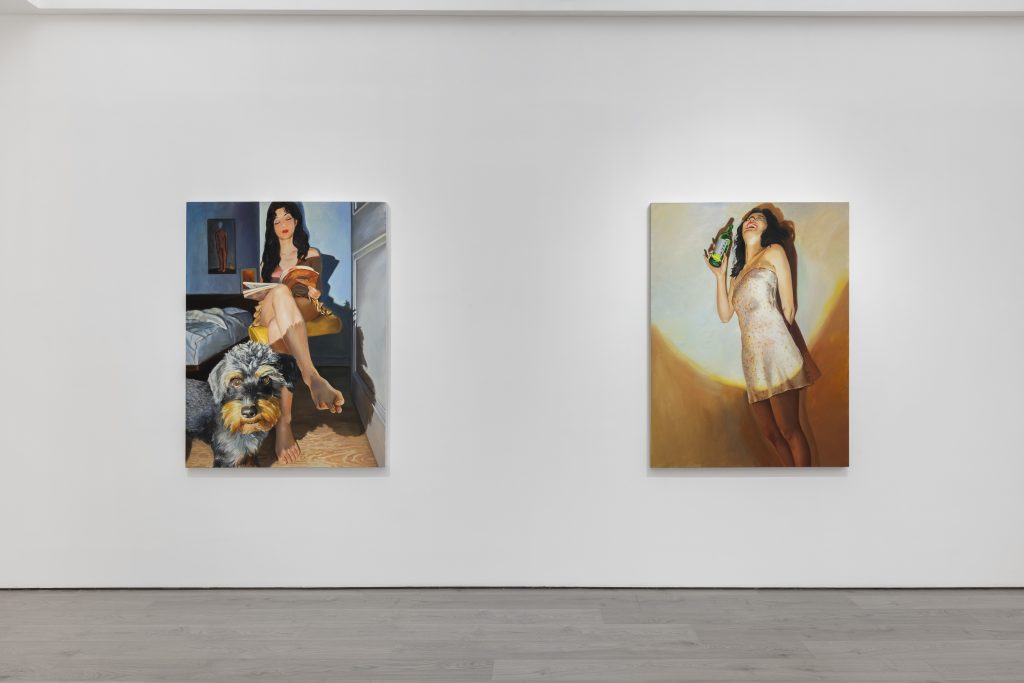
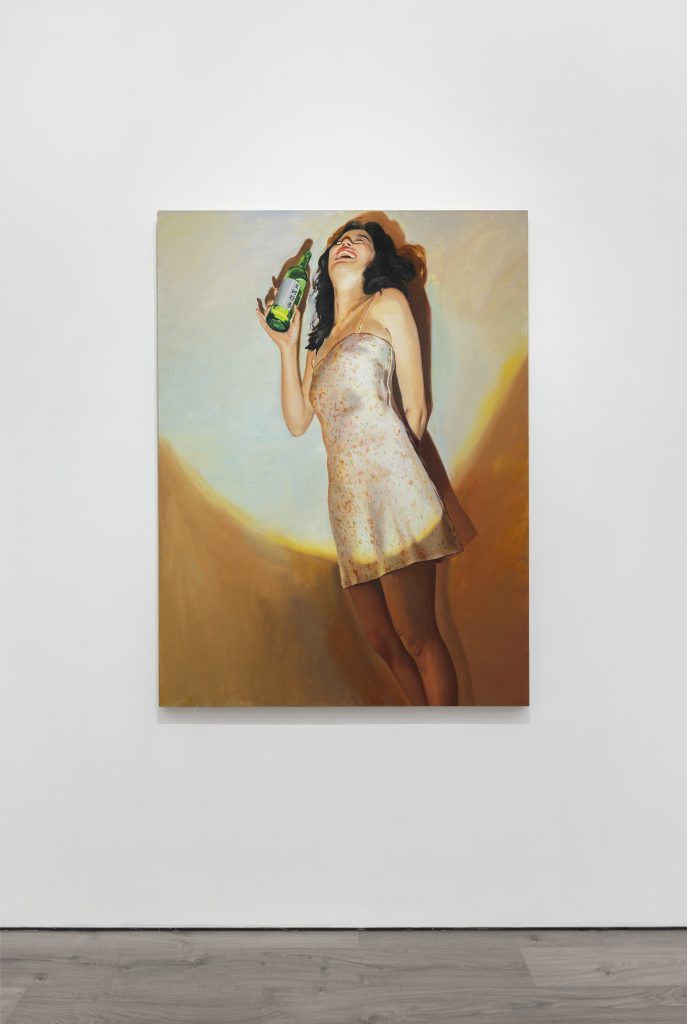
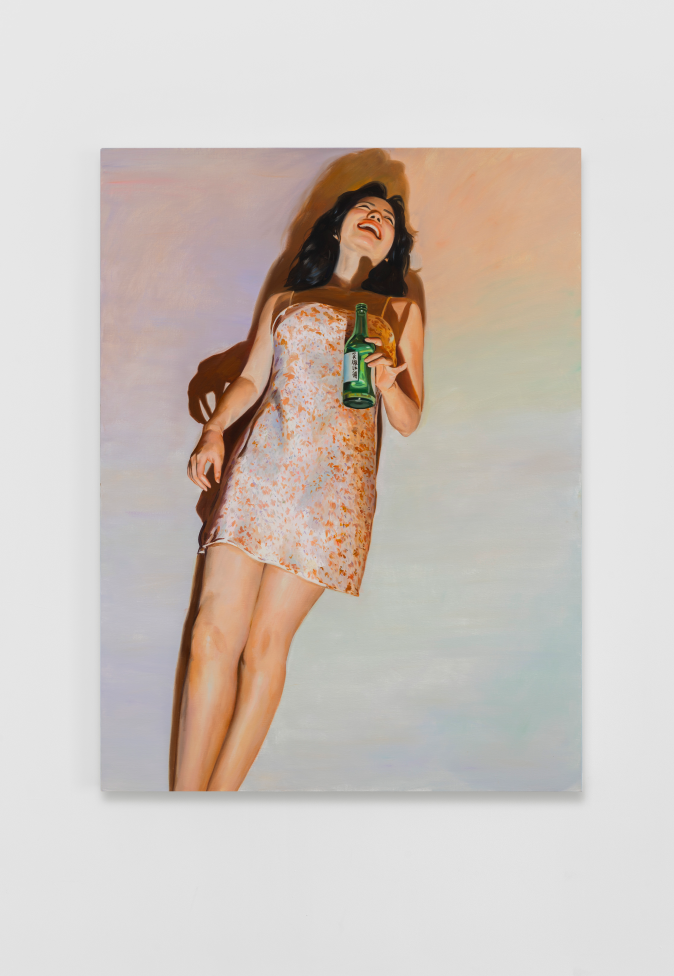
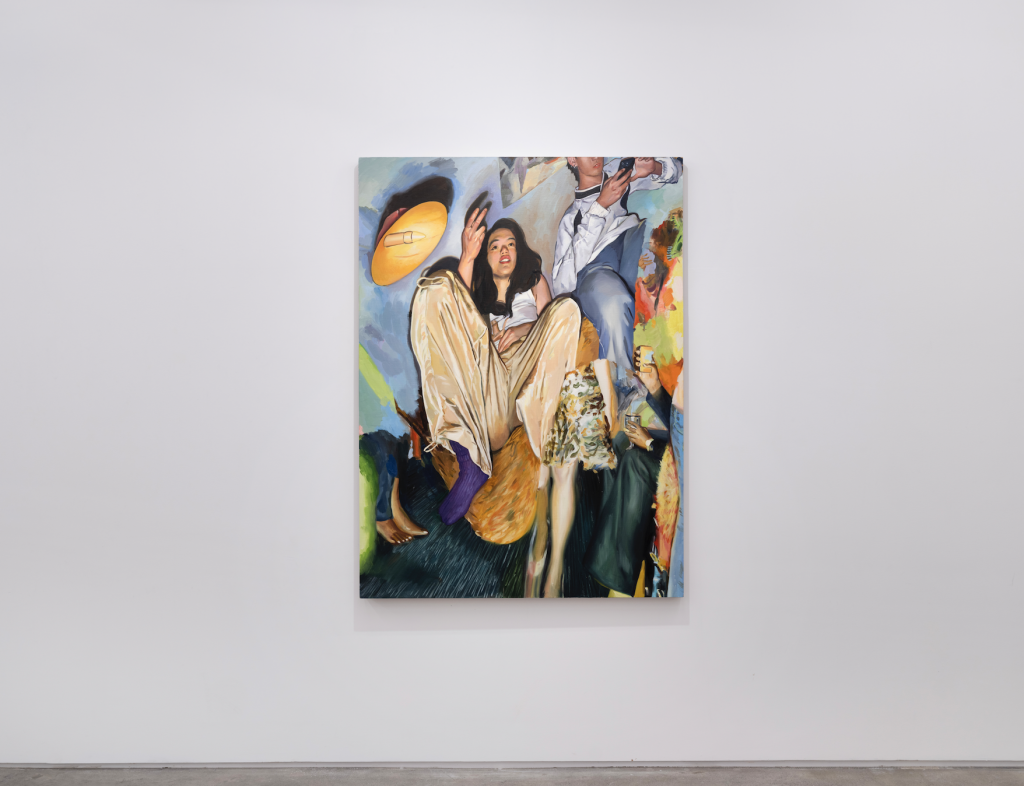
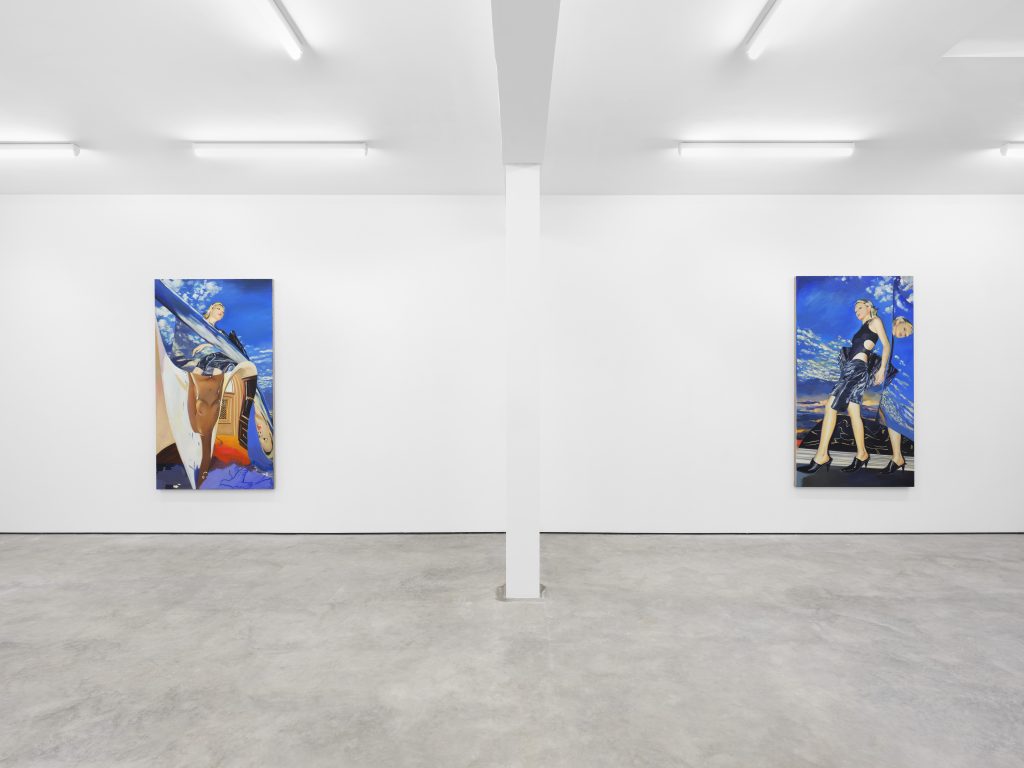
Ding Hongdan draws materials from personal memory and popular culture. By systematically deconstructing and reimagining found imagery, she juxtaposes reality with the fantastic, cultivating a visual sensibility that is both incisive and wry. In Carpe Diem 2 (2026), the central figure is bathed in the stark halo of a spotlight—an effect that simultaneously accentuates her presence and isolates her from the surrounding void. She is captured in a state of exhilaration; the physical tension in her face and limbs is stretched to a dramatic limit, radiating outward. This unleashed passion pierces the physical boundary of the skin, transforming the body into a site of emotional flux and heightened self-perception. Here, the body ceases to be a passive object of the spectator’s gaze; instead, it becomes a vibrant stage upon which the self is radically performed.
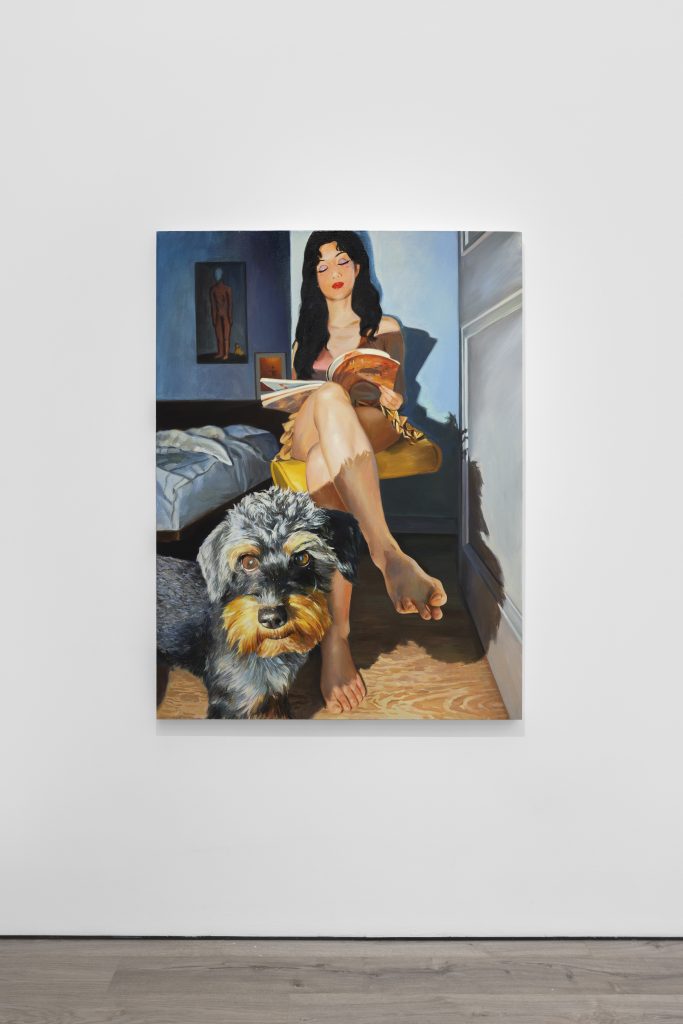
The Rite Yet to Come
Curator:Yuan Fuca
Duration2026.05.20-2026.07.20
MGSpace, North Third Street, 798 Art District, No. 2 Jiuxianqiao Road, Chaoyang District, Beijing, China.
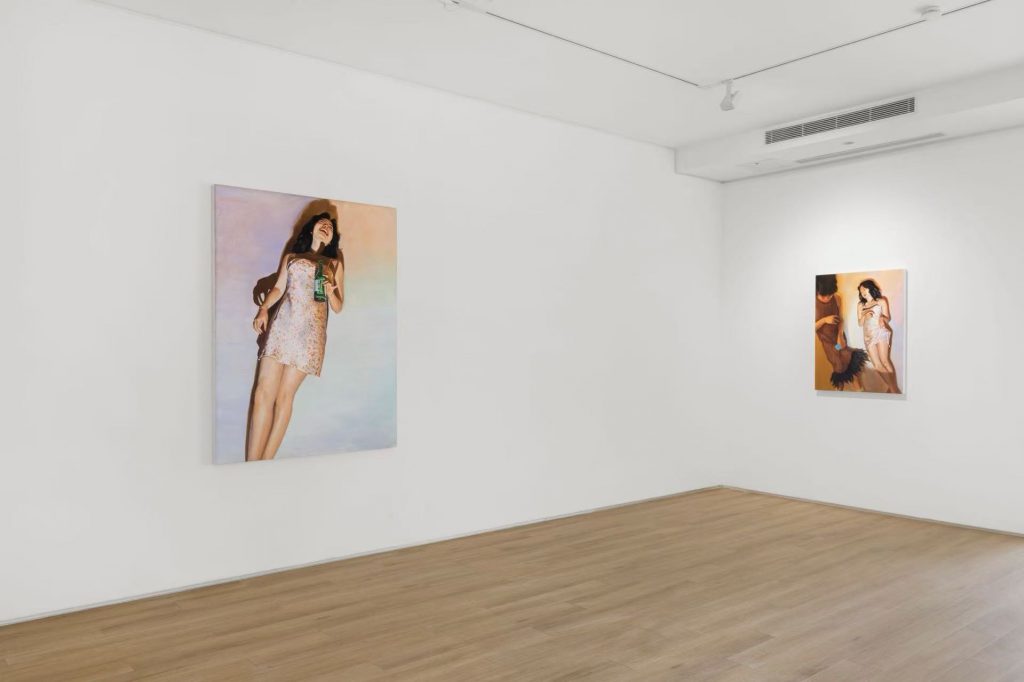
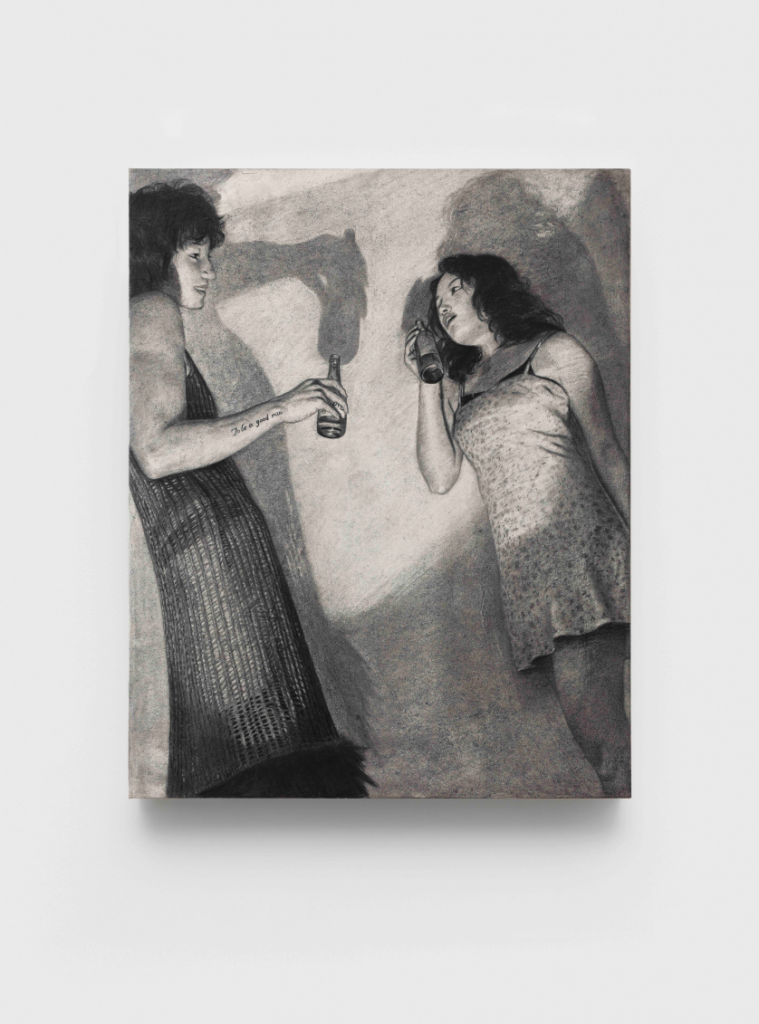
This exhibition focuses on a condition of reality shaped jointly by social media, ongoing warfare, and a youthful experience marked by distance. Under this condition, dreams, intimacy, and subjectivity are no longer stable experiences, but are constantly in flux—disturbed, fragmented, and reconstituted. Images, personal relationships, and external conflicts intertwine with one another, yet never fully align.
The traditional rite of passage consists of three stages—separation, liminality, and reincorporation—pointing toward a confirmable identity transition. But today, this linear structure has lost its validity: departure is never thorough, trials have no boundaries, and new social positions are imposed on the subject prematurely. Separation, liminality, and return no longer occur sequentially; instead, they overlap, forming a prolonged transition that can never be completed.
The works of three artists of similar age unfold within this condition. The everyday, the flamboyant, the light—even a vocabulary approaching the decorative or the constructed—does not lead to pleasure or wholeness, but rather persistently exposes complex, contradictory, and distanced structural tensions. Intimacy does not lead to fusion, nor do dreams offer escape; on the contrary, they jointly loosen the boundaries of the real, keeping the subject perpetually in a state of becoming—both within it, yet never quite able to enter it fully.
Intellectual Structures: Trigger, Judgment, and Decision智性結構:觸發、判斷與決策
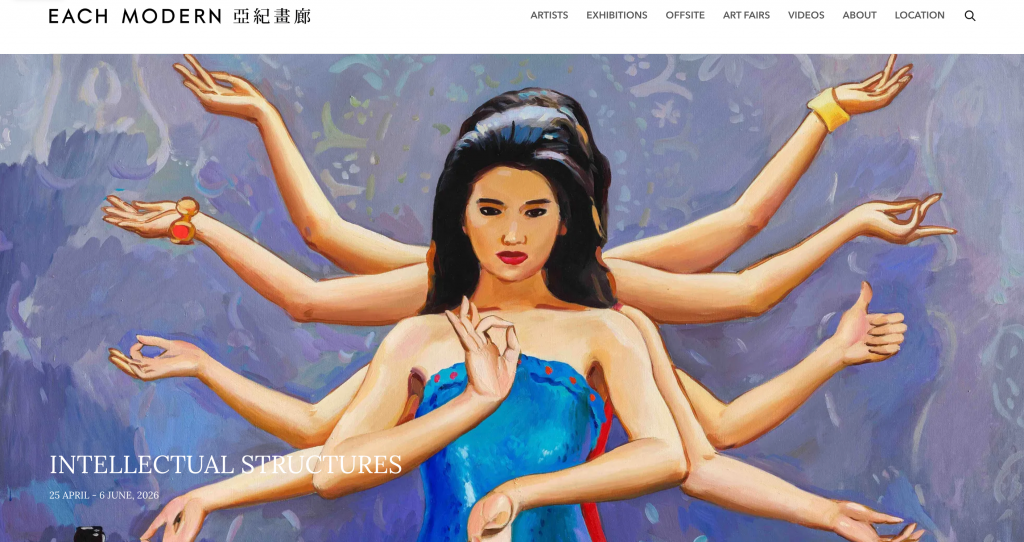
25 April – 6 June 2026
Curatorial Essay / Qi Chao
Each Modern and I present Intellectual Structures, a group exhibition featuring DAZHI, Ding Hongdan, Jing Ao, Liang Yuanwei, Wenjue, and Xu Qu, two years after our prior collaboration. Instead of directly engaging with the growing impact of artificial intelligence on labor, perception, and value, the exhibition probes a deeper question: what aspects of human thought and artistic creation remain uniquely human?
This exhibition focuses on the intellectual structures of artists, not AI itself. Contemporary art, heavily reliant on concepts since World War II, originates from the complex human brain. The exhibition aims to display the neural algorithms by which artists transform inspiration into works. This involves triggering senses and knowledge, judgment as a competition between experience and transcendence, and decision-making as the conclusion of reason and emotion, forming unique artistic truths rooted in the human brain’s thought process.
Ding Hongdan: Still Mad
29 November 2024 – 25 January 2025
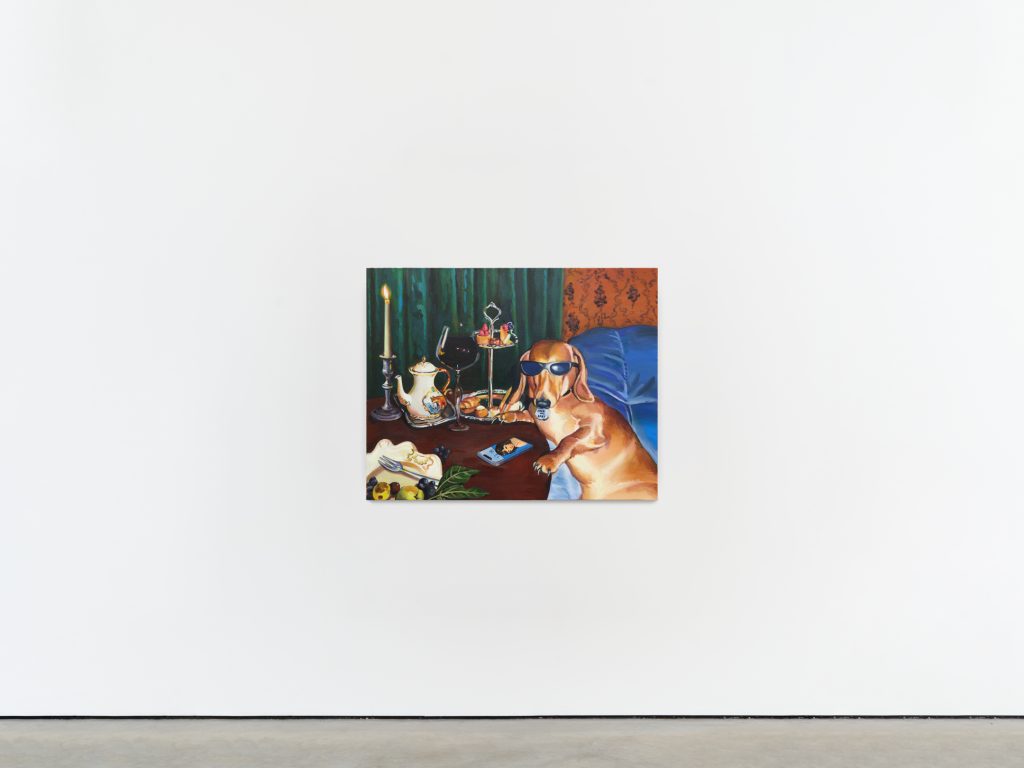
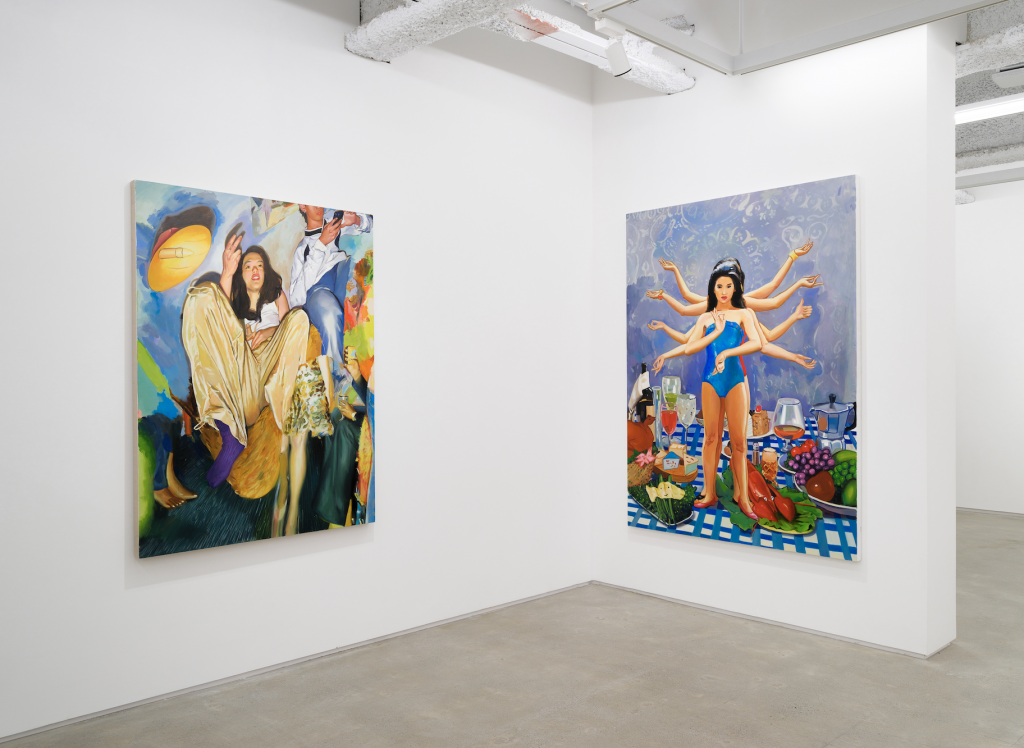
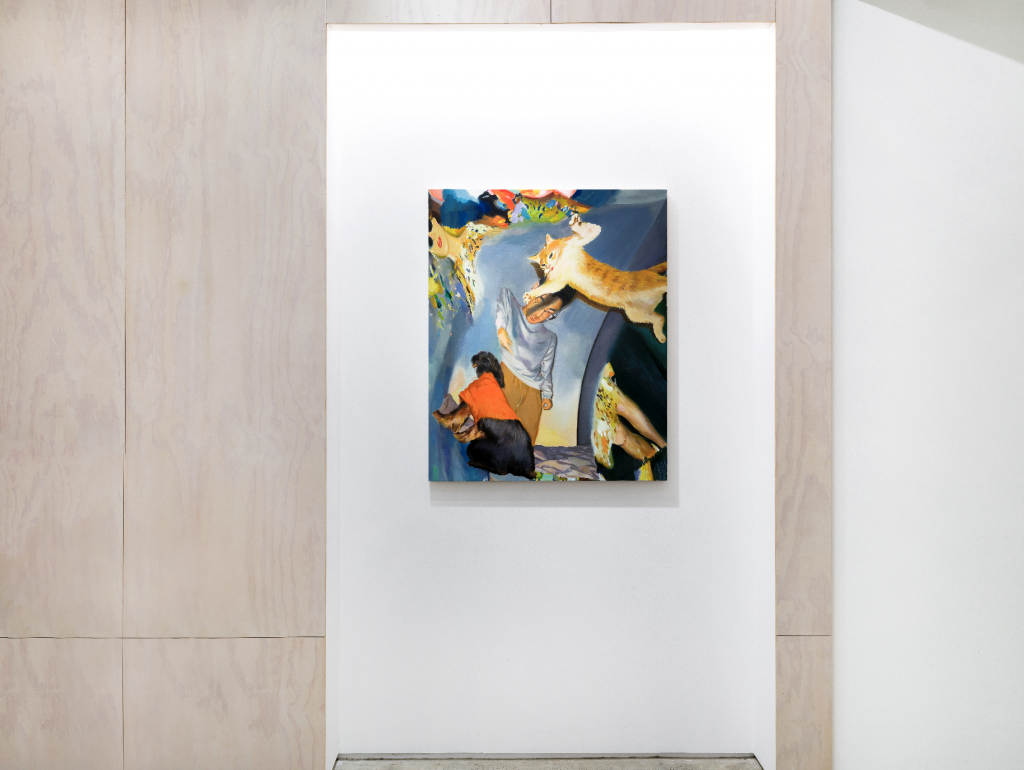
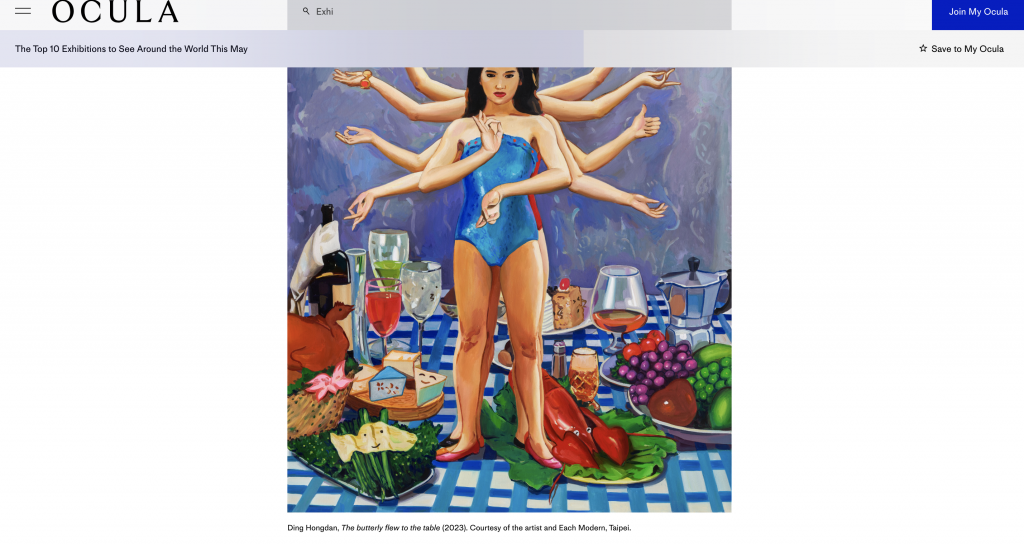
Rendered in bright, glossy oils and stylised strokes, Ding Hongdan’s collection of paintings en masse is a dip into image-obsessed youth. Spectating within the multi-tableaux of bright, bold figures drawn from the artist’s own friendship group as well as internet sources, the effect is a striking psychedelic whirlwind of overwhelm. In this way, it echoes internet culture and young people striking out who want the freedom to pose, play, dress up and come together in party and fashion subcultures. They perform their individuality in flashy fits and show off to the ever-present lens, and as such they make different choices and inhabit different subjectivities to their elders. As Ding notes, the collective endeavour by friendship groups of young people in China to leave their hometowns for the city lights, or leave China for the hedonism of the West, is their way of freeing themselves from tradition or the expectation of parents or previous generations. She sees the paintings as a celebration of friends, playfulness and joy for London – something the city’s regular grey inhabitants may often omit.
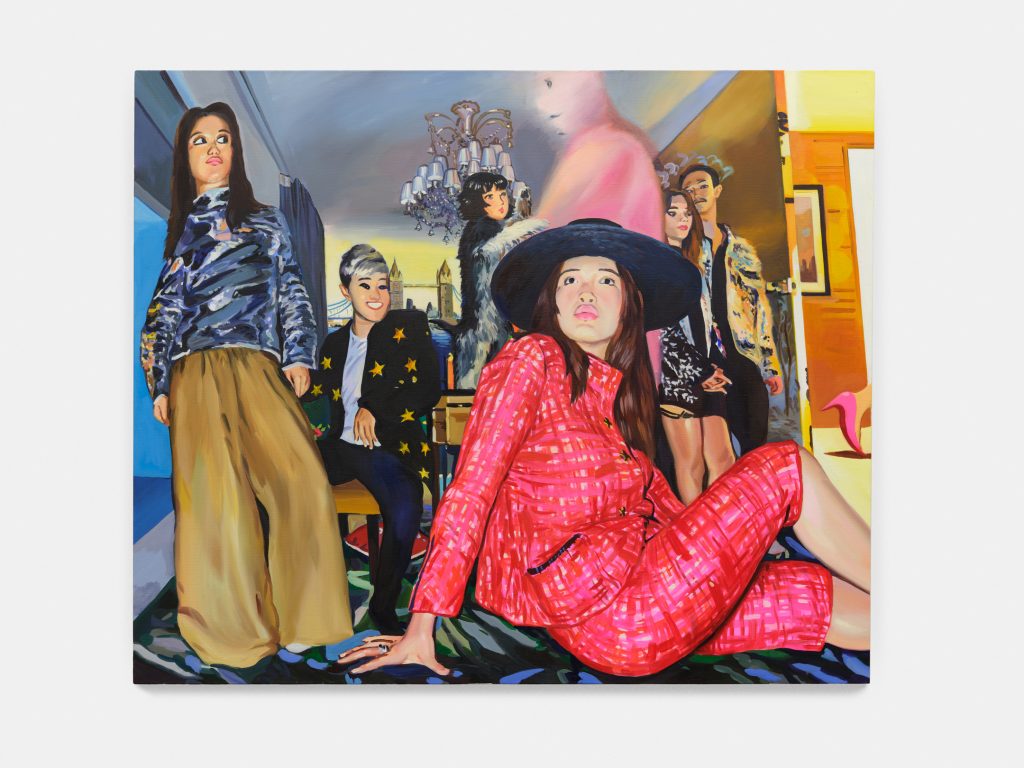
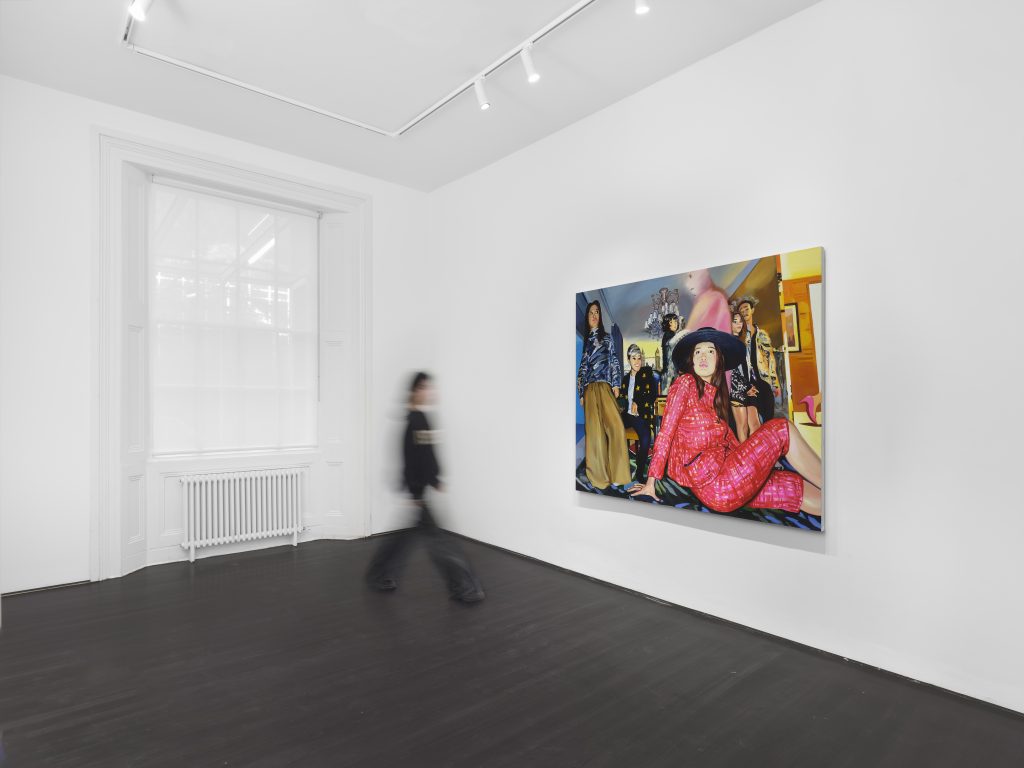
Motifs appear in some of the works, for example the ‘ghost’ in Stranger which she says is the spectre of the diaspora and the desire to feel liberated. China, having changed hugely over the last twenty years with the advent of the internet and more access to Western culture, still has limitations on what can be painted and exhibited. The artist’s quasi self-portraits in which she inserts herself into the canon of Western art history, depict her victorious on horseback, or reclining as Venus. These will not be exhibited in her home city of Beijing, where in the 798 Art District images of breasts have to be blurred by mosaics, much like Instagram’s own content rules. She notes that Chinese art does not have a history of realistic figure painting, so this is something that captures her imagination, particularly in the large free galleries at the heart of London. As an artist in residence here for a short period, she inhabits a kind of diasporic elation when she’s in the city, with the opportunity to express personal and sexual freedoms.
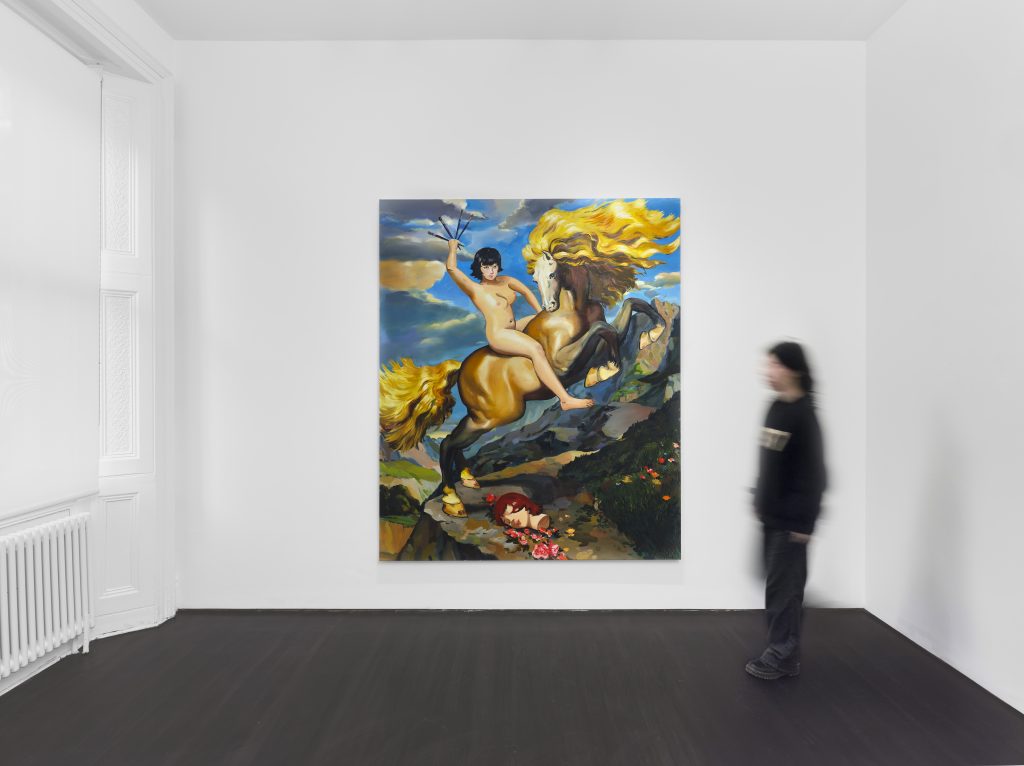
Ding cites Chinese female artist Pan Yuliang, who studied in Paris in the 1920s, as one of the first Chinese artists to go to Europe. Pan Yuliang painted many nudes of herself and other women and then returned to China to experience what might later be termed slut- shaming and general vilification. ‘It is over one hundred years since the nude came to China, but it’s still a very sensitive subject,’ Ding reflects. The artist’s own process of representing herself this way, as with many female artists before her, has allowed her to learn and to embody a truer sense of self. In the post-pandemic era, China’s ideological control is becoming increasingly strict, and artists’ freedom of creation is reportedly being confined. Ding notes, ‘where you paint or live is not important, the most important thing is the freedom of creation, independent personality and critical spirit.’
In Still Mad, astride a horse, paintbrushes in hand, the artist rears above her own disembodied head – a reference to the part of her she is letting go. Ding suggests the woman is always sacrificed or saved in narrative and representation, so here she is depicted in a position of dominance, still nude, and in the power stance typical to men of the time and taken from Rubens’ Saint George and the Dragon – another layer of colonial and historical conflation that buttresses her slippery palimpsest of visual quotations. While women rode side-saddle – often linked to them preserving their modesty and for young unmarried women the sanctity of their hymen – men charged into battle to live and die by the sword. Here Ding chooses the power of paint through self- representation and self-actualisation over the sword.
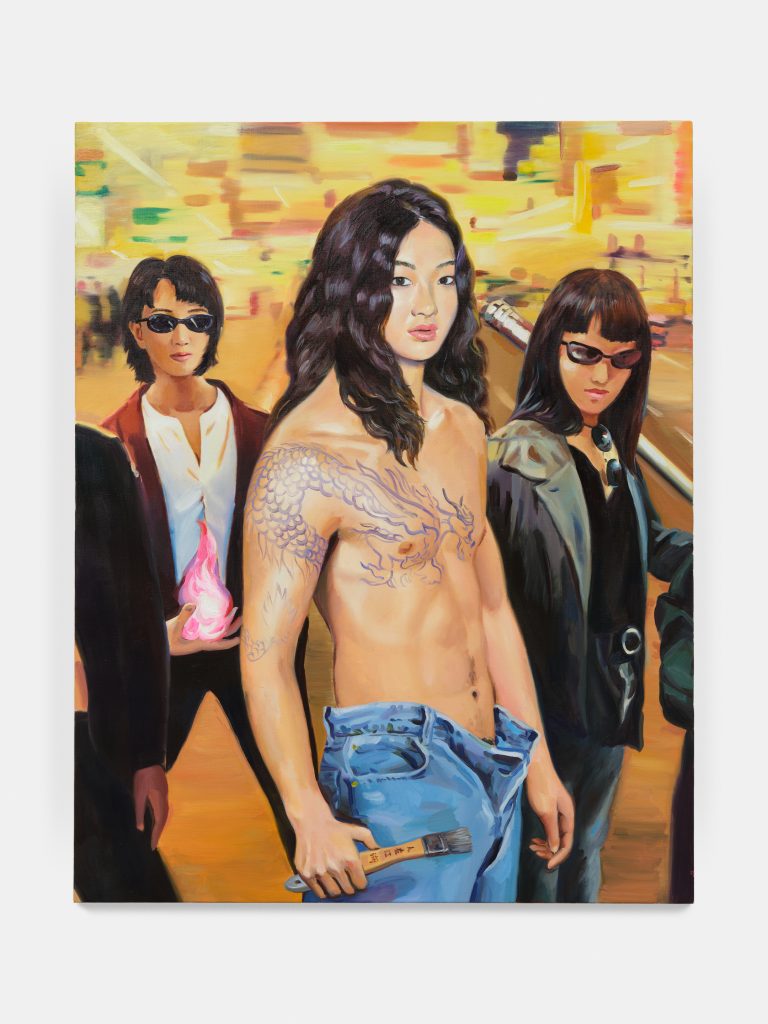
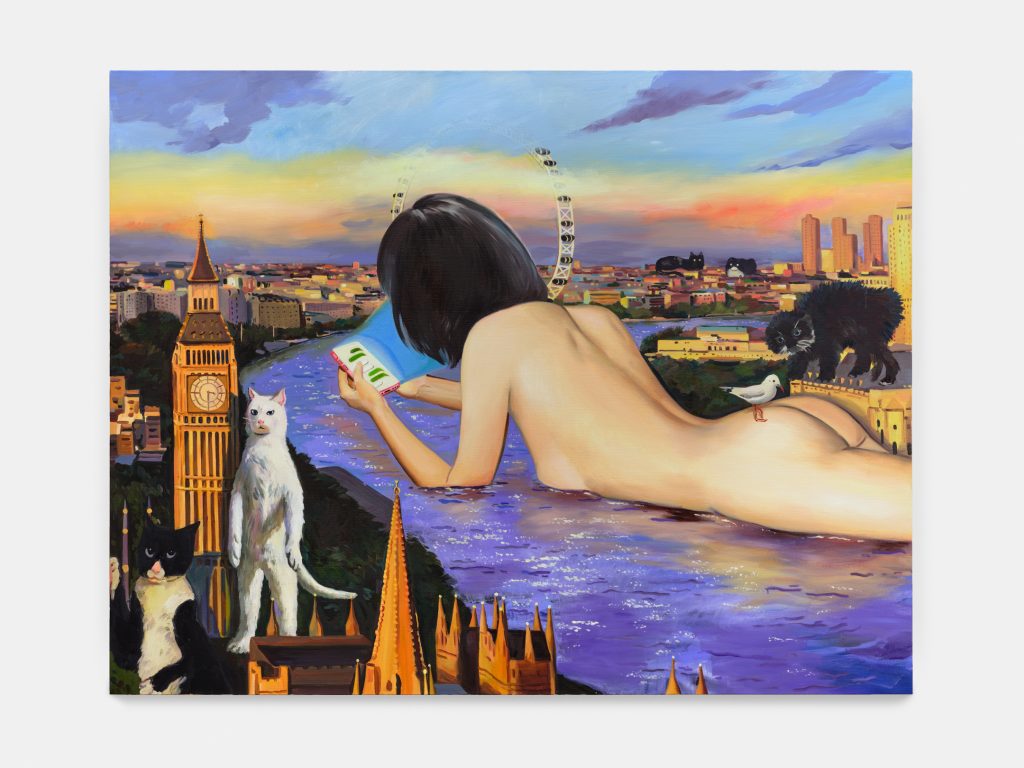
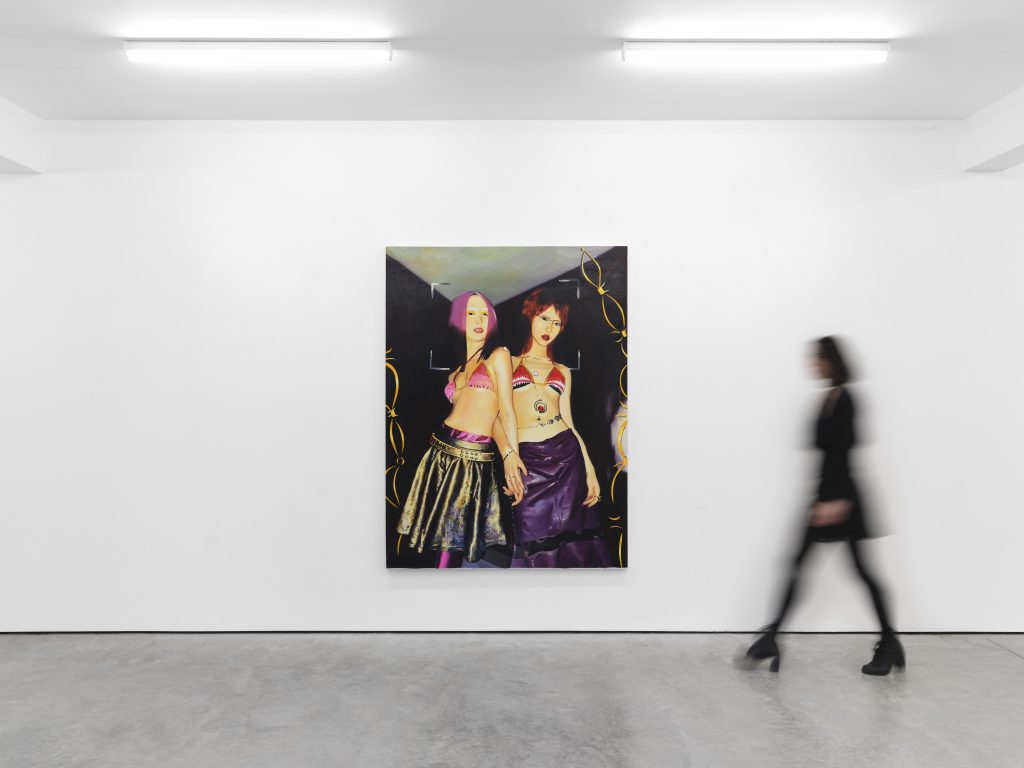
The canon of Western visual art that privileges the problematic male gaze, as revised by many feminist artists and covered in detail by theorists like Griselda Pollock and Linda Nochlin, is present in the artist’s preoccupation yet far from formulaic; she further layers in a conversation on youth, identity, cultural history, race and political and personal autonomy. Ding explains her interest in the image of the goddess/woman/ whore archetype that continues to titillate and trouble, even in the perceived freedoms of an increasingly pop and image-obsessed culture. In Caught by the Tides she represents her friend and fellow artist Li Hei Di as a gangster in a still reminiscent of the film Young and Dangerous. The works are feminist, triumphant, joyful and, not least of All, funny. In Hello, there the oversize artist gazes into the river and into the portal of her phone at the same time, her butt poking out from the river. Cartoonish cats pose around her, sourced from memes half- recognisable to the chronically online. Cuteness and uncanniness clash in the primary palette. In the work Y2K girls with pink hair and bikinis pose with small round blank labels on their upper arms, ‘like you get on fruit’. Ding keeps them empty so that ‘they cannot be labelled or owned’.
Other subtler touches are laced throughout, distortions on image representation, questioning where we situate ourselves in relation to these media-savvy young people. Delicate strokes of line work echo the traditional painting techniques of traditional artists such as Pan Yuliang and the formal style she was trained in, which are usually reserved for ink and here she renders in the Western medium of oils, exploiting a clash in both imagery and zeitgeist and a conflation of mediums between traditional and future-facing.
Text by Susanna Davies – Crook